Geography matters to an immigration case, but not in the way most people assume when they start calling offices in their own zip code. What matters is where the decision gets made, and by whom. A petition adjudicated by mail at a service center in another state never puts anyone in a room together. An interview at a field office puts your attorney in a chair beside you, or on a video link, depending on the office. A hearing in immigration court puts them in front of a judge who has seen them before, or has not. Those are three different jobs.
1. Start by naming the deciding body, not the city
Before comparing attorneys, write down which agency actually issues the decision on your case. Family petitions, most employment petitions and many waivers are adjudicated at a USCIS service center, and correspondence goes to a lockbox address that has nothing to do with where you live. Adjustment of status and naturalization run through a local field office with an interview. Removal proceedings run through an immigration court under the Executive Office for Immigration Review, which the Department of Justice oversees. A careful reader checks the receipt notice or the notice to appear for that information rather than guessing from the form number.
2. Paper cases travel well, so hire on skill
When the file is decided on the record, proximity buys you very little. The adjudicator reads what was mailed or uploaded, and the attorney's value sits in how the evidence is assembled, what the cover brief argues, and how a request for evidence gets answered inside the deadline. An attorney licensed in any state can represent you before USCIS, so an office three time zones away is not a red flag on its own. What is worth checking is whether they will meet you by video, who signs the G-28, and how quickly written questions get answered in practice.
3. Field office interviews have local habits worth knowing
Field offices differ in ways that are real but rarely written down: how long the wait runs, how the officer handles bona fides questions in a marriage case, whether an attorney is routinely seated in the room or asked to observe. Someone who appears at your office monthly knows those habits and prepares you for them. That knowledge has a price, and for a clean, well-documented case it may not be worth much. For a case with a prior denial, a criminal record, or a complicated history, it usually is.
4. Court is where the local lawyer earns the premium
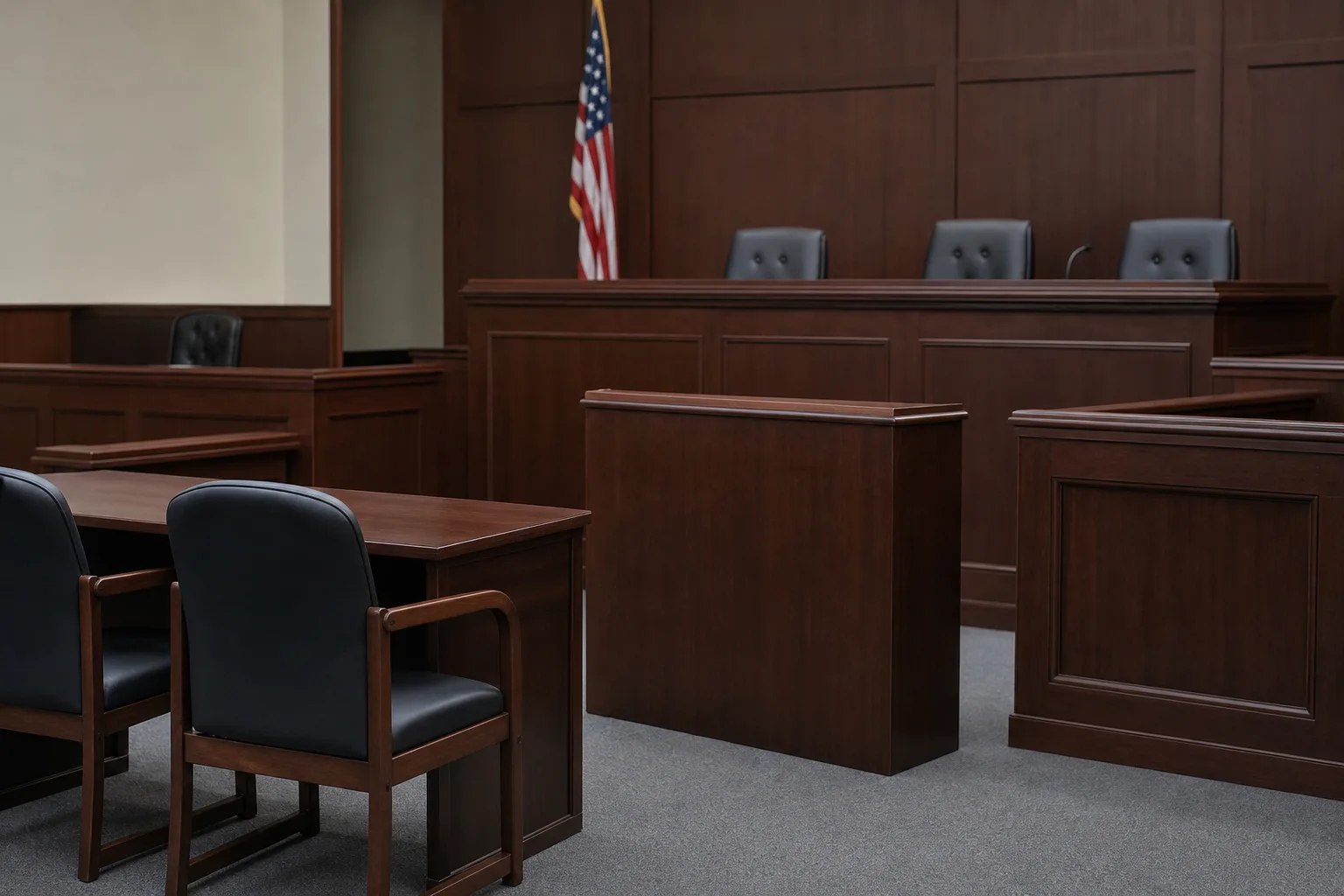
Immigration courts share one set of regulations and diverge sharply in practice. Filing conventions, how a judge treats continuances, which prosecutors will discuss administrative closure or dismissal, how much weight a particular judge gives to expert testimony: none of that appears in a rulebook you can buy. An attorney who appears in that courtroom regularly has calibrated to it. If your case involves a merits hearing on asylum, cancellation, or a bond motion, the extra cost of that familiarity is generally the best money in the budget.
5. Ask what happens when the case moves
Cases move more often than people expect. You relocate, and the field office changes. A petition is transferred between service centers to balance workload. Proceedings are venued to a court near your new address, or a hearing goes from in person to video appearance. Ask before signing how the fee agreement handles each of those. A good answer names who covers the motion to change venue, whether travel is billed separately, and whether the attorney is admitted and willing to appear wherever the file lands. Get it in the written agreement, not in an email.
6. Check the appearance record, not the website map
Websites list every city an office will take calls from, which tells you nothing. What tells you something is asking directly how many cases the attorney handled at your specific court or field office in the last year, and who in the office actually shows up. Confirm the named attorney signs the G-28 and appears personally, rather than a per diem attorney meeting you in the hallway. Verify the bar license in the state where they are admitted, and ask for two references from cases at your location.
The practical rule is simple enough to apply in one sitting. Paperwork cases reward the best drafter you can afford, wherever they sit; hearings reward the person the judge already knows.